All your data and tools live in one platform, meaning you can launch your ideas faster than ever.


Move ideas faster
Build your business
Know more about each contact to make better decisions and deliver more memorable experiences.
Launch your ideas
With all your data and tools in one platform, you can launch new ideas quicker than ever.


See Ontraport in action
Get all the solutions you need and nothing that you don't by picking a plan that's right for you. No credit card required to sign up.
Trusted by thousands of businesses all over the world




“World’s best business software. All future businesses of mine over the next 40 years will have Ontraport at its base.”
- Richard Howard, Managed Mail Service
“The culture of this organization from the top down is extraordinary. I’ve never seen a technology company so willing to help each user.”
- Eric Michael Collins, Compounding Success
“Ontraport has hands down the most comprehensive CRM system on the planet. Their customer service is second to NONE.”
– Jordan Whinnem, Ravensway Strategies
“Literally joined [Ontraport] a week and a half ago, learned it and built it on my own with the help of Support.”
– Sarah Taylor, Fitness by Sarah Taylor
“Ontraport is one of, if not THE best investment I have ever made for my business.”
– Garry Schleifer, Choice Magazine
“I love this CRM! Ontraport has changed the way I do business, and I recommend it to all my clients. The support is wonderful and the platform is powerful. You can set up any funnel you can dream up! Before Ontraport, I was overworked; after getting Ontraport I have so much more time. You won't regret making the leap!”
– Rebecca Barnheart, Your Business Designer
“The more I work with clients who are already using Infusionsoft + ClickFunnels ... the more I realize how much better Ontraport is. I've also trialed Kajabi, Klaviyo and others recently, and they're just not as good as the all-in-one functionality of Ontraport.”
– Joe Kalis, Funding for Flipping
Everything you need to grow
Manage all your sales, marketing and business processes in one place.
Keep better track of your prospects and customers
See exactly where to invest your time and discover hot leads visually with the most powerful pipeline view in the business.
You'll no longer need:

Powerful marketing automation without the enterprise-grade prices
Automate and scale any sales or marketing process to give each customer a personal journey, at scale, on autopilot.
You'll no longer need:

Get better results from your page traffic
Not average webpages, Ontraport pages and forms are power tools for increasing lead and customer conversion.
You'll no longer need:

Come for the platform, stay for the team
Customer Support at Ontraport isn’t an afterthought; it’s what we do. 7 days a week, chat or 1-on-1 screen share.
Come for the platform, stay for the team
Customer Support at Ontraport isn’t an afterthought; it’s what we do. 7 days a week, chat or 1-on-1 screen share.
Get up and selling faster
Use our high-converting order form templates, flexible payment options, and creative upsell opportunities for more sales and subscribers.
You'll no longer need:

The fastest route to a complete membership site
Easily build your online courses and customer portals, and sync them with your member emails, subscription payment system and more, without integrations.
You'll no longer need:

Like Mad Libs for your business
Reach your goals faster with done-for-you campaigns for lead capture, lead nurture, conversion, follow-up and more. Simply answer a few questions and fill in some blanks, and our Setup Wizards will create your custom campaign in minutes.
Membership Starter Kit
Launch a membership site
Quickly launch a membership site that handles member management tasks such as generating login information and gating access to pages for you.
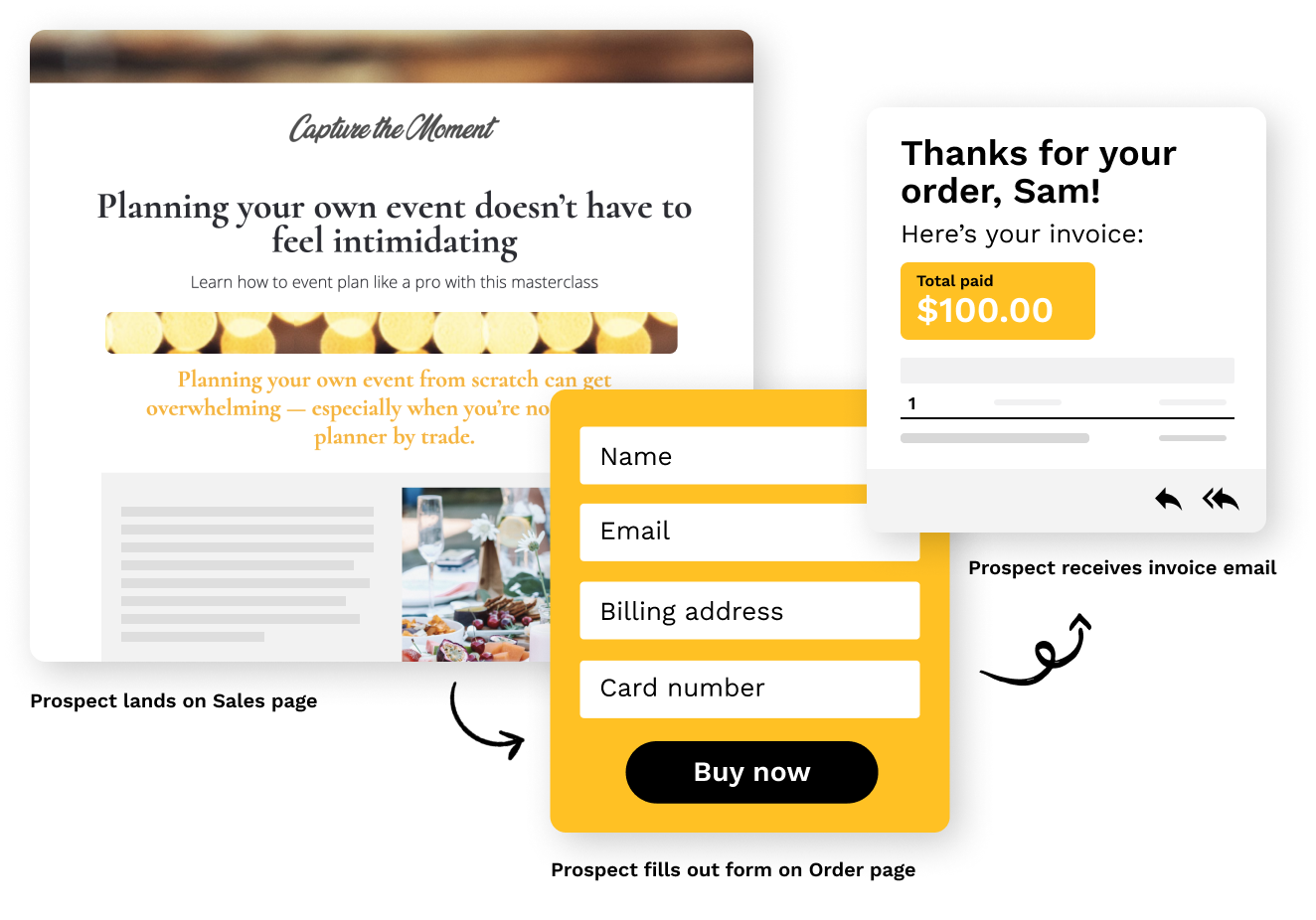
Learn more arrow_forward Persuasive Sales Funnel
Convince leads to buy
Use a persuasive sales page to encourage leads to order your product, and connect it seamlessly to your order page and invoicing.
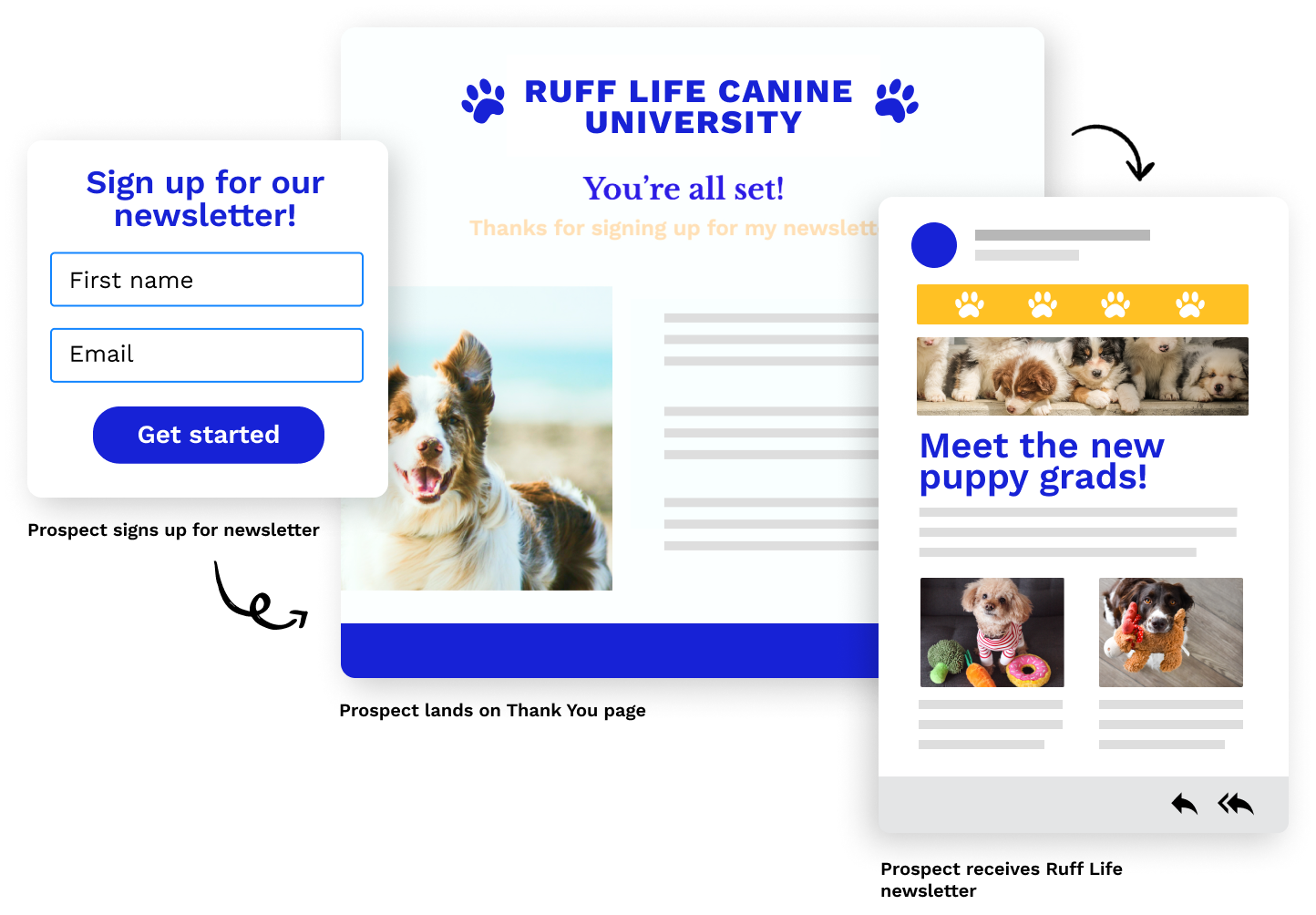
Learn more arrow_forward Email Newsletter Opt-in and Delivery
Stay in touch
Don’t let your hard-earned leads and customers forget about you. Use email newsletters to share product updates and valuable content that keep them engaged.
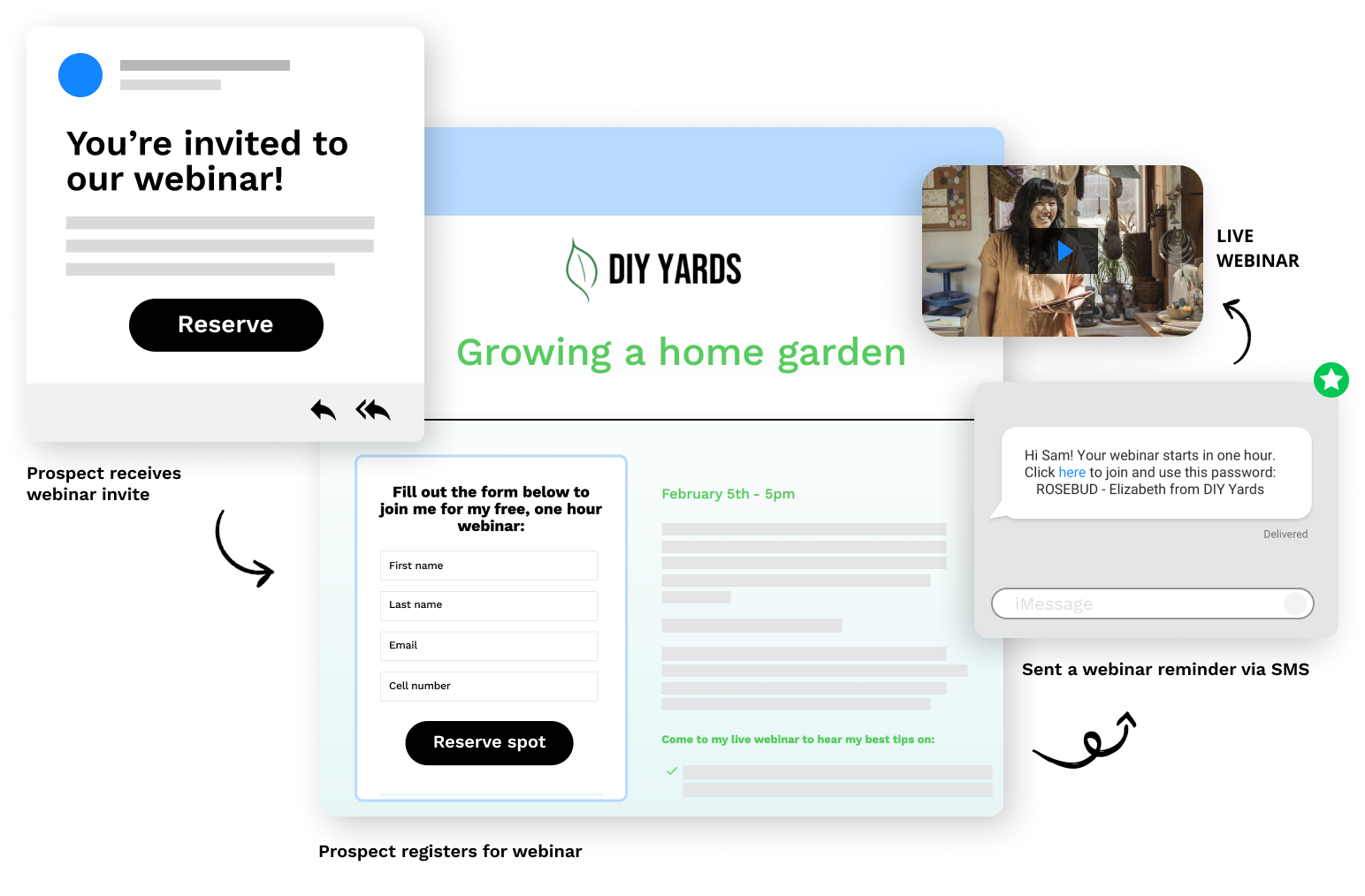
Learn more arrow_forward Webinar Promotion Funnel
Engage leads
Boost your webinar attendance with less effort by inviting contacts to your webinar and sending timely event reminders, all automatically.
Learn more arrow_forward Free Download Lead Magnet Funnel
Attract new leads
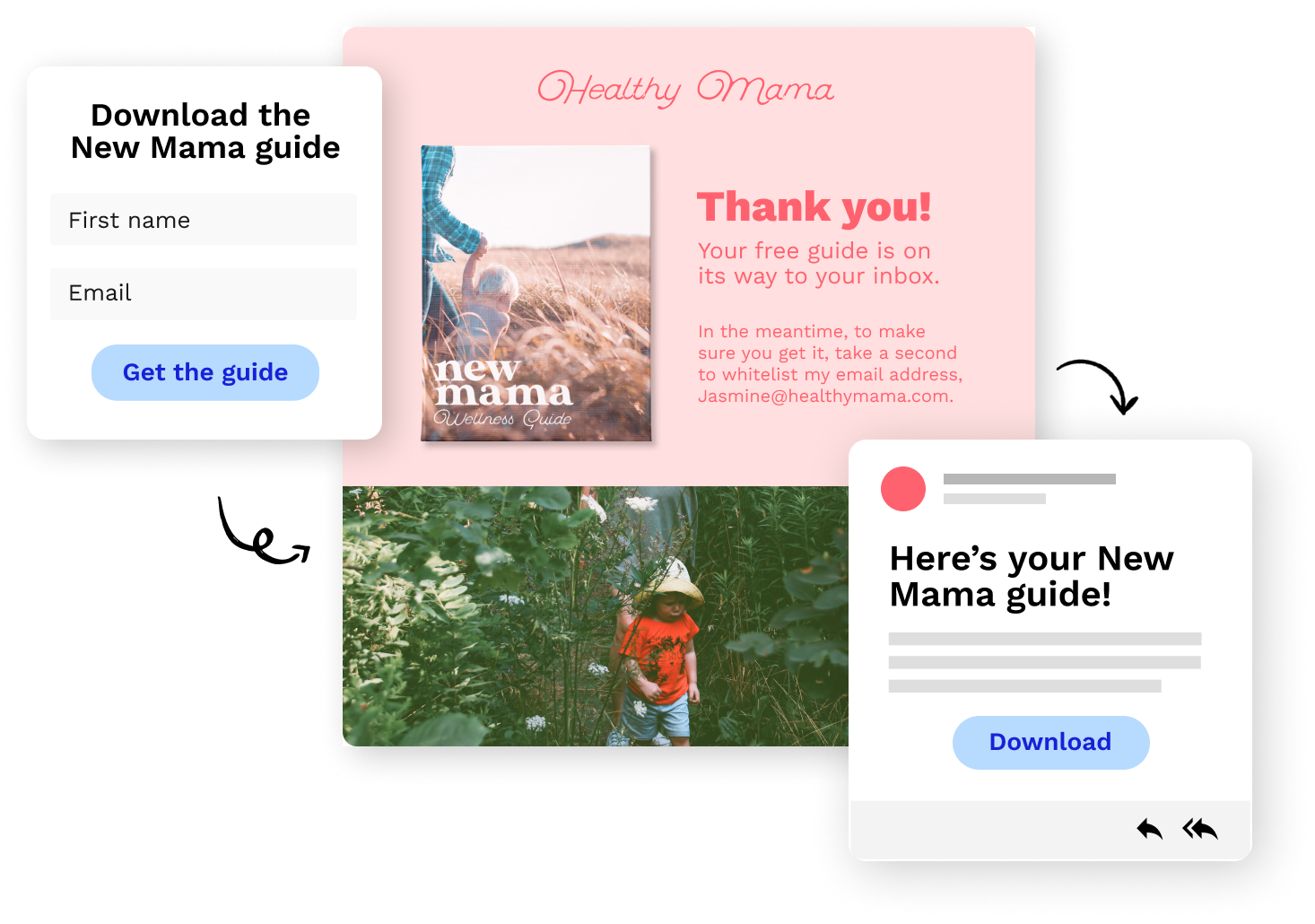
Entice leads with a free ebook, guide or other download in exchange for their contact info so you can nurture them towards a sale.
Learn more arrow_forward 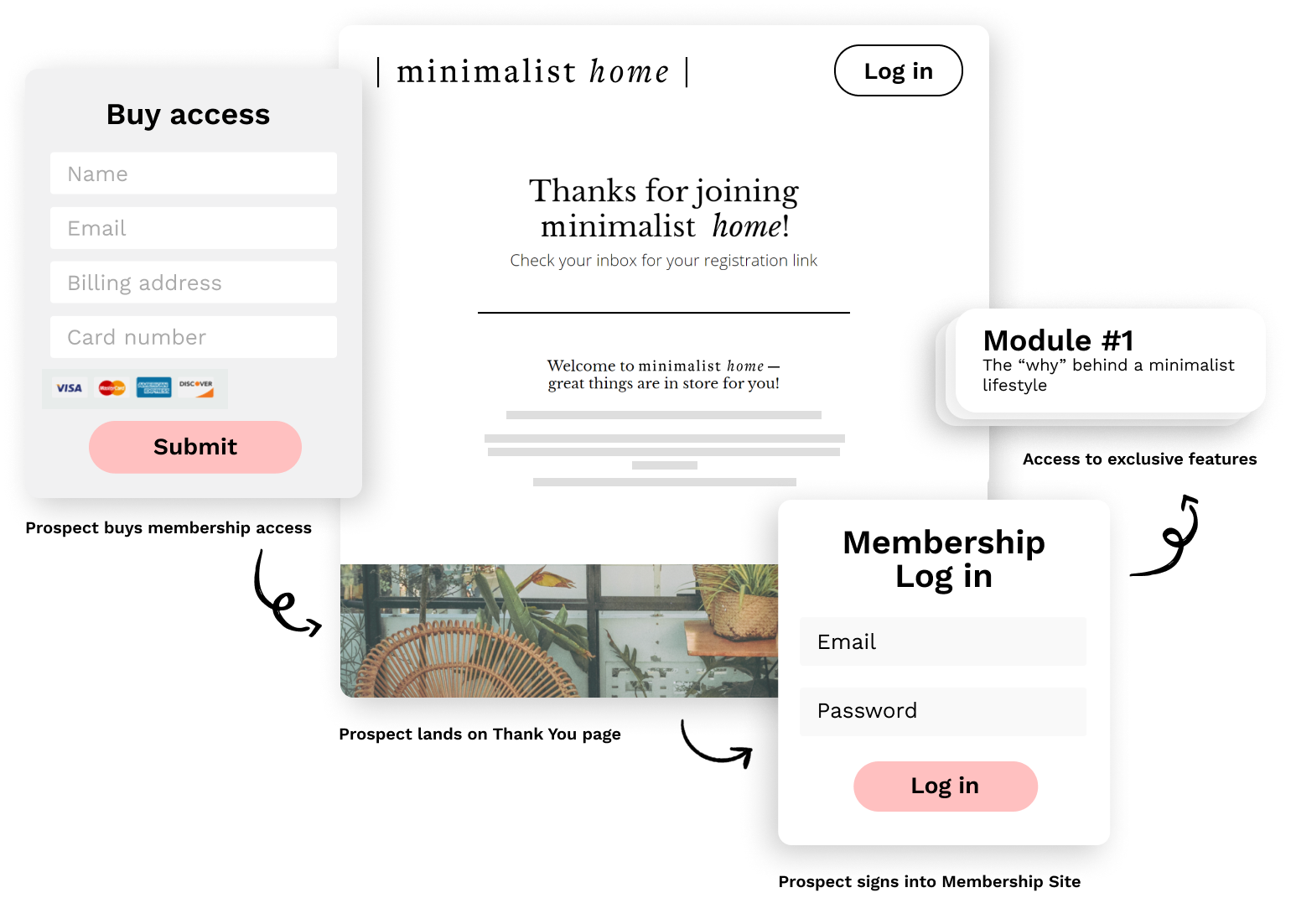
Membership Starter Kit
Launch a membership site
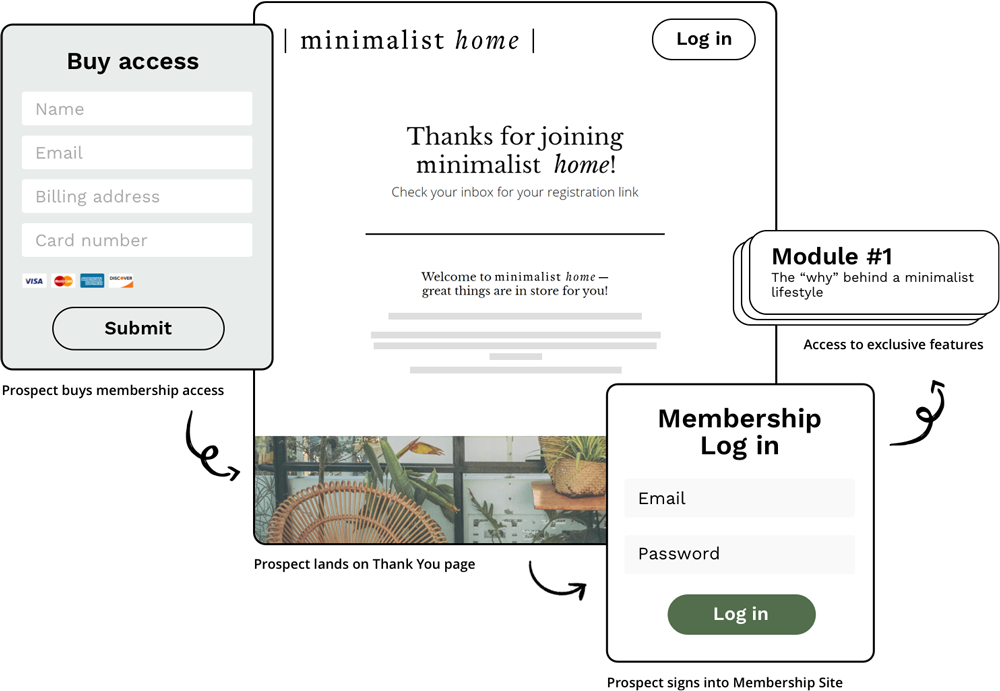
Quickly launch a membership site that handles member management tasks such as generating login information and gating access to pages for you.
Learn more arrow_forward Persuasive Sales Funnel
Convince leads to buy
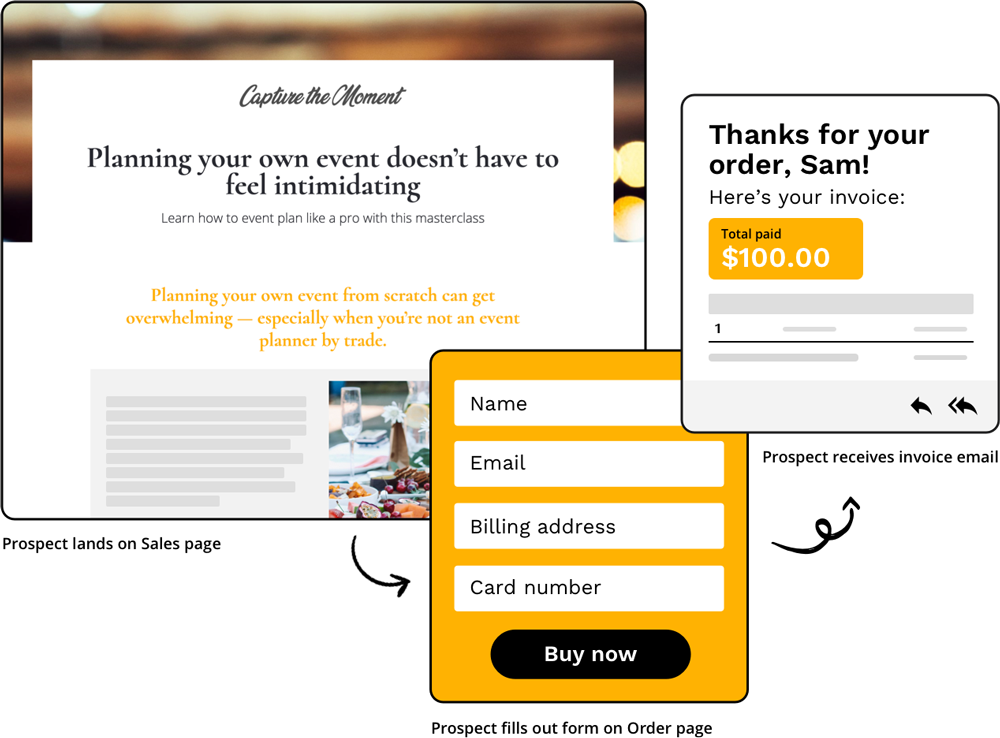
Use a persuasive sales page to encourage leads to order your product, and connect it seamlessly to your order page and invoicing.
Learn more arrow_forward Email Newsletter Opt-in and Delivery
Stay in touch
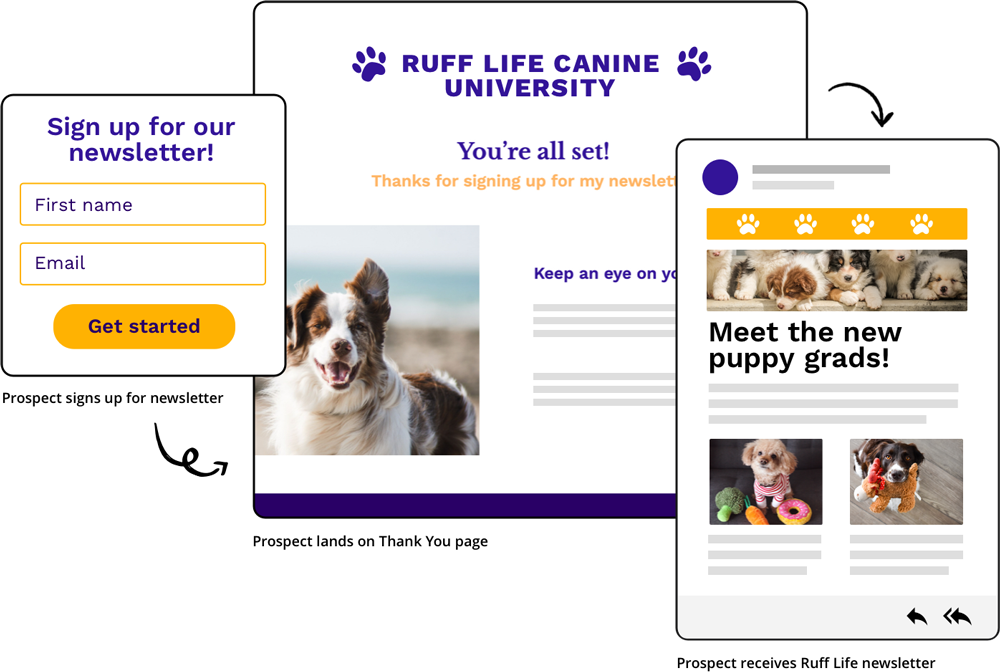
Don’t let your hard-earned leads and customers forget about you. Use email newsletters to share product updates and valuable content that keep them engaged.
Learn more arrow_forward Webinar Promotion Funnel
Engage leads
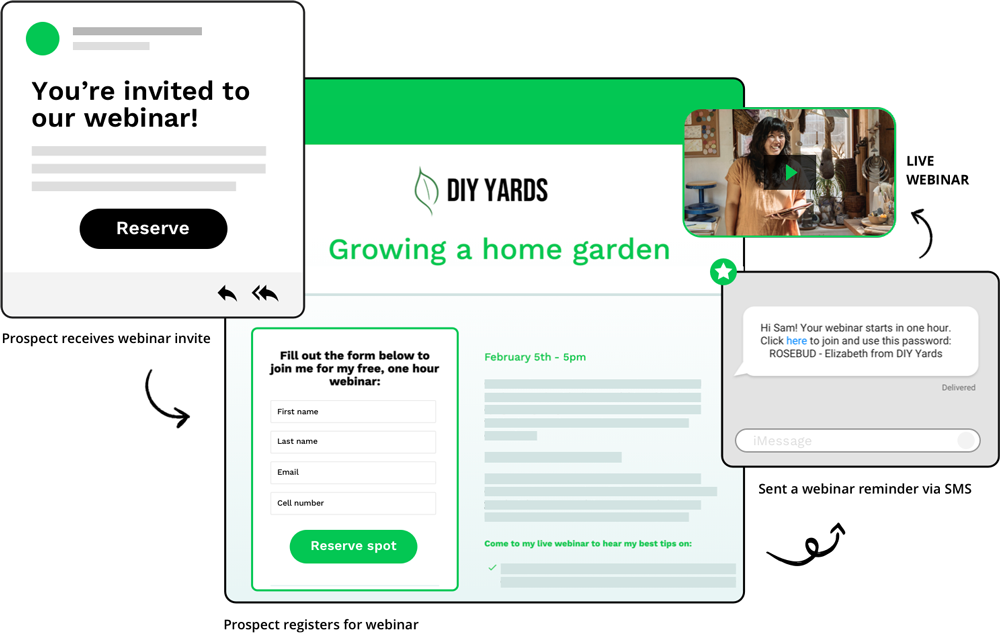
Boost your webinar attendance with less effort by inviting contacts to your webinar and sending timely event reminders, all automatically.
Learn more arrow_forward Free Download Lead Magnet Funnel
Attract new leads
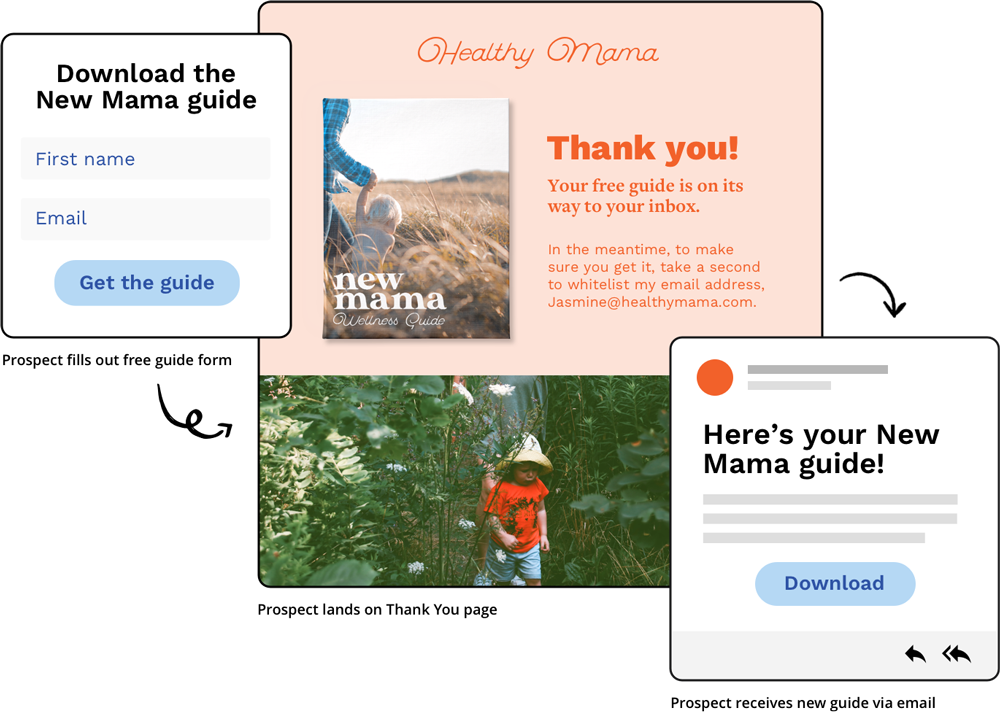
Entice leads with a free ebook, guide or other download in exchange for their contact info so you can nurture them towards a sale.
Learn more arrow_forward It’s no fun to lose a sale at the last minute. Use this system to bring back those who started filling out your order form but didn’t finish.
Turn your thank you pages into segmenting tools so you can automatically send relevant marketing messages to leads based on their pain points.
Use this system to turn your one-time purchase membership site into a subscription and automatically handle recurring payments, cancellations and customer re-engagement.
Stay in front of your leads with a series of emails that express why you’re the right choice for their needs and direct them to your sales page.
Launch a short series of educational videos so you can entice leads to join your list and ultimately sell them what you have to offer.
Automatically send a feedback survey to your customers so you can learn exactly what people like about your business and where you can make improvements.
Stay in front of your leads with a series of emails that express why you’re the right choice for their needs and direct them to your sales page.
Launch a short series of educational videos so you can entice leads to join your list and ultimately sell them what you have to offer.
Automatically send a feedback survey to your customers so you can learn exactly what people like about your business and where you can make improvements.
It’s no fun to lose a sale at the last minute. Use this system to bring back those who started filling out your order form but didn’t finish.
Turn your thank you pages into segmenting tools so you can automatically send relevant marketing messages to leads based on their pain points.
Use this system to turn your one-time purchase membership site into a subscription and automatically handle recurring payments, cancellations and customer re-engagement.
It's easy to switch to Ontraport
We’ll work with you to create a roadmap for your success, and you can take advantage of personalized account setup.
It's easy to switch to Ontraport
We’ll work with you to create a roadmap for your success, and you can take advantage of personalized account setup.


Safely migrate data
Our experts can guide you in the right direction to move over your data on a timeline that works for you.
Get set up quickly
Access video courses or our done-with-you setup package to start reaching your goals faster.
Plan for your success
We’ll assess your goals and give you the exact steps to follow in Ontraport to start on the right track.
Safely migrate data
Our experts can guide you in the right direction to move over your data on a timeline that works for you.
Our experts can guide you in the right direction to move over your data on a timeline that works for you.
Get set up quickly
Access video courses or our done-with-you setup package to start reaching your goals faster.
Access video courses or our done-with-you setup package to start reaching your goals faster.
Plan for your success
We’ll assess your goals and give you the exact steps to follow in Ontraport to start on the right track.
We’ll assess your goals and give you the exact steps to follow in Ontraport to start on the right track.

Features
© Ontraport 2024
playlist_add_check
PCI DSS, Level 1
security
Privacy Shield Certified